
Effective Solutions for Industrial High Dusting Challenges
We all know that dust and grime love to gather in the highest, most out-of-the-way spots in industrial settings. It's a real pain to deal with, and honestly, it can become a safety hazard if left unchecked. We've been looking into effective ways to tackle this problem, and it turns out there are some solid solutions out there that don't involve risky ladder climbs. Let's break down what we've found.
Key Takeaways
- Industrial high dusting is the process of cleaning hard-to-reach overhead areas like ceilings, beams, and ductwork, which often accumulate dust, allergens, and debris that can impact air quality and safety.
- Specialized equipment, such as lightweight, extendable poles and vacuum systems like those from SkyVac, are designed to safely and efficiently clean these high areas from the ground, eliminating the need for ladders or lifts.
- Implementing regular high dusting routines using appropriate tools and best practices, like cleaning during off-hours and using HEPA vacuums, is crucial for maintaining a safe, healthy, and compliant industrial environment.
Understanding the Challenges of Industrial High Dusting
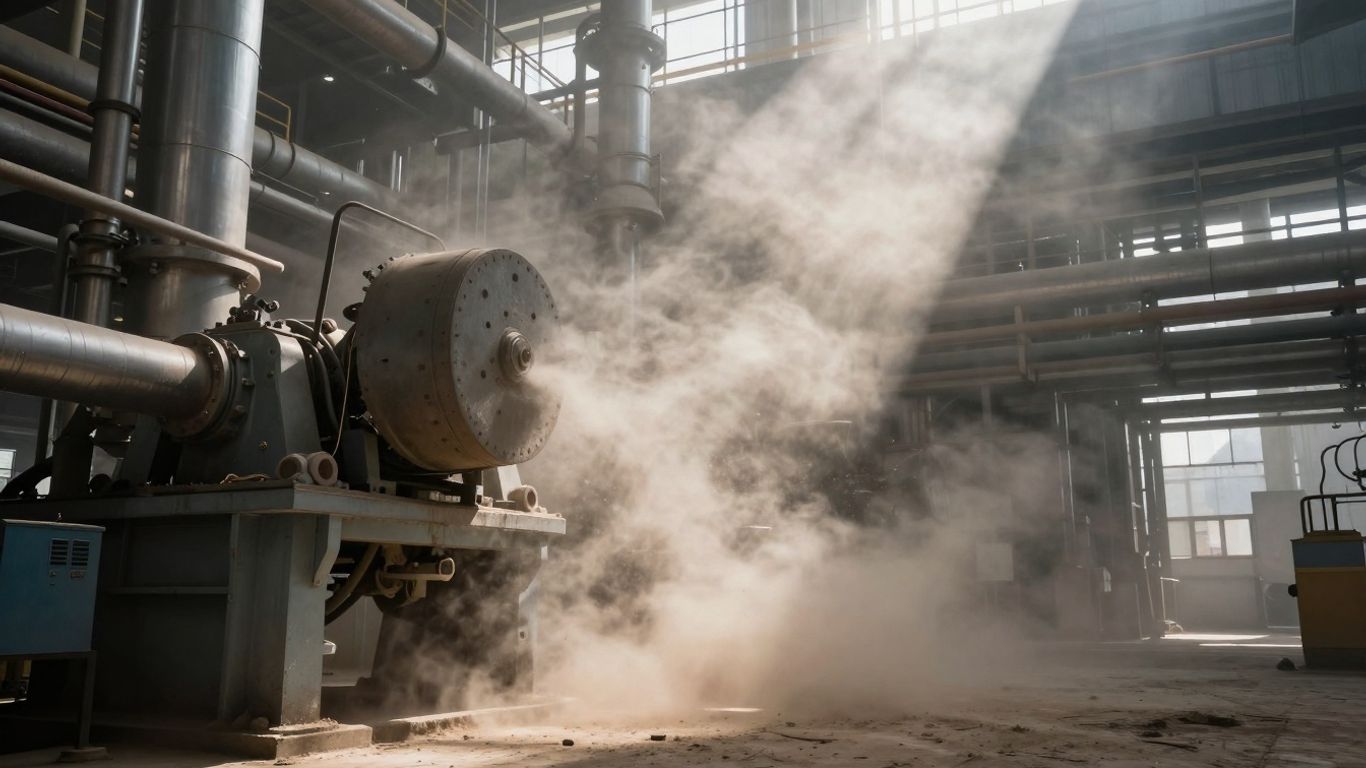
We all know that dust and dirt seem to find their way into every corner of a building, but have you ever noticed how much of it collects way up high? In industrial settings, this is a big problem. Think about ceilings, rafters, pipes, and ventilation systems – these spots are magnets for dust, dander, and all sorts of other tiny particles.
Why Dust and Dander Accumulate in High Places
So, why do these high places get so dusty? It's mostly because dust is made of really light stuff. We're talking about things like dead skin cells, tiny fibers from clothes and materials, dirt that gets tracked in, and even pollen. Dander is just small flakes of skin from people or animals. Because these particles are so light, they don't just sit on the floor. They get kicked up into the air easily.
What makes them go up? A few things:
- Air systems like heating and air conditioning blow them around.
- Warm air naturally rises, carrying dust with it.
- Everyday activity, like people walking or machines running, stirs up dust.
- Fans and vents can push air, and dust, upwards.
Over time, all this airborne dust settles in those hard-to-reach spots. It clings to beams, fills up vents, gathers around light fixtures, and coats pipes. It's out of sight, but it's definitely not out of mind when it comes to keeping our workplaces clean and safe.
The Impact of Industrial High Dusting on Air Quality and Safety
This buildup of dust in high places isn't just unsightly; it can actually cause problems. For starters, it really messes with the air quality inside. When dust settles in high areas, it can trap allergens, mold spores, and even bacteria. If this dust gets disturbed, it can get back into the air we breathe. This can be bad news for anyone with allergies or breathing issues like asthma.
Dust isn't just dirt; it's a mix of particles that can affect our health and the environment we work in. When it accumulates overhead, it creates a hidden hazard that needs regular attention.
Then there's the safety side of things. A thick layer of dust, especially around electrical equipment or lights, can be a fire hazard. It's like dry tinder waiting for a spark. Plus, in many industries, there are rules about keeping facilities clean to meet safety standards. Visible dust can also make a place look unprofessional to visitors or clients. It shows a lack of attention to detail, which can reflect poorly on the whole operation.
Effective Solutions for Industrial High Dusting
Dealing with dust and grime way up high in industrial spaces can be a real headache. But don't worry, we've got some solid ways to tackle it. The key is using the right tools and knowing the best methods to keep things clean and safe.
Choosing the Right High Dusting Equipment
When we're talking about cleaning those hard-to-reach spots, the equipment we use makes all the difference. We need tools that are strong, reliable, and safe. For us, the SkyVac systems have been a game-changer. They let us clean from the ground, which is a huge plus for safety and speed.
- Telescopic Poles: These are super important. We use poles made of lightweight carbon fiber that can extend really far, sometimes up to 40 feet. This means we don't need ladders or lifts, cutting down on risk and saving time.
- Vacuum Systems: A good vacuum system is a must. The SkyVac vacuums are powerful and can suck up dust and debris without making a mess. They often come with HEPA filters, which are great for catching even the smallest particles and keeping the air clean.
- Specialized Attachments: We've found that having different brush heads and tools is key. There are brushes for getting into tight corners, flat brushes for large surfaces, and tools designed for specific things like pipes or ductwork. This variety lets us clean just about anything we find up high.
Using equipment designed specifically for high dusting means we can do a better job faster and, most importantly, safer. It's about having the right gear for the job, plain and simple.
Best Practices for Safe and Efficient High Dusting
Just having the right tools isn't enough; we also need to use them the right way. Following some simple rules helps us get the job done efficiently and keeps everyone safe.
- Work from the Ground Up: Always start cleaning the highest areas first and work your way down. This way, any dust that falls won't land on areas we've already cleaned.
- Use Personal Protective Equipment (PPE): Even though we're working from the ground, it's smart to wear safety glasses and maybe a mask, especially if there's a lot of dust. It's just good practice.
- Regular Maintenance: We make sure to clean our poles and attachments after each use. This keeps the equipment working well and prevents dust buildup in the tools themselves.
- Schedule Wisely: If possible, we try to do high dusting during off-hours or when fewer people are around. This avoids disturbing work or creating dust clouds in busy areas.
- Check Your Equipment: Before we start, we give our poles and vacuum a quick look-over to make sure everything is secure and working right. It’s a small step that can prevent bigger problems.
Dealing with heavy dust in industrial settings can be a real challenge. Our tools are designed to tackle even the toughest jobs, making your workspace cleaner and safer. Don't let dust slow you down. Visit our website today to find the perfect solution for your industrial dusting needs!
Wrapping Up Our High Dusting Discussion
So, we've talked a lot about why high dusting is so important and how tricky it can be. It's not just about making things look clean; it's about air quality, safety, and keeping things running smoothly. We've seen how tools like those from SkyVac and Clean Direct can really make a difference, letting us tackle those hard-to-reach spots without all the hassle of ladders or lifts. By using the right gear and a smart approach, we can all get a better handle on these dusty challenges. It’s about working smarter, not harder, and keeping our spaces healthier and safer for everyone.
Frequently Asked Questions
Can we clean really high places without using ladders or lifts?
Yes, we absolutely can! Our special poles are designed to reach way up high, letting us clean from the ground. This means we don't need to use ladders or lifts, which makes the job safer and quicker.
How high can these cleaning poles reach?
Our poles are pretty amazing and can reach up to 40 feet high, depending on the specific pole we use. That's high enough to get to most of those tricky, out-of-reach spots in big buildings.
What kinds of dusty spots can we clean with this equipment?
We can clean all sorts of dusty areas! This includes things like ceiling beams, air vents, pipes, light fixtures, rafters, and even the tops of tall shelves or equipment. Basically, any dusty spot that's hard to get to, we can handle it.
Share


